
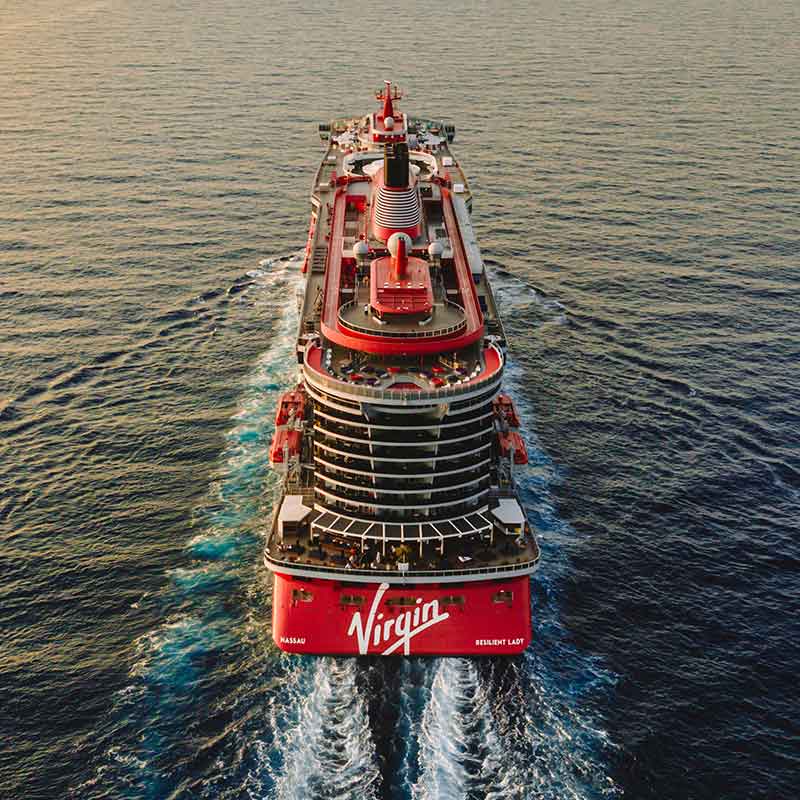
This serious sailors transatlantic survival guide gives you everything you need to thrive on a Virgin Voyages ocean crossing — from packing strategies and weather preparation to cabin selection, dining tactics, entertainment planning, and building a daily sea-day routine that makes 13 to 15 nights at sea feel like the best vacation of your life. Transatlantic repositioning cruises on Scarlet Lady, Valiant Lady, Resilient Lady, and Brilliant Lady are fundamentally different from standard Caribbean or Mediterranean sailings. The long sea days, shifting climate zones, deeper social connections, and unique onboard atmosphere create an experience that repeat sailors consistently rank as their favorite voyage type. Whether you are crossing eastbound from Miami to Europe in spring or westbound from Europe to Miami in fall, this serious sailors transatlantic survival guide covers every practical detail you need to prepare like an experienced ocean crosser.
The first lesson in any serious sailors transatlantic survival guide is understanding that these crossings have a completely different energy from port-intensive itineraries. Instead of rushing off the ship every morning to explore a new destination, you settle into the ship itself as your destination. Here is what to expect:
If you love sea days, a transatlantic crossing is paradise. If you need constant port stimulation, this voyage will challenge you — but most sailors who try it once come back every year.
You will cross multiple climate zones during a single voyage, and the transatlantic weather guide covers the detailed temperature ranges for each phase. Here is the practical packing strategy:
Spring eastbound (Miami to Europe): Start in tropical heat at 80 to 85 degrees, transition through mild mid-Atlantic days at 60 to 70 degrees, and arrive in European cool at 50 to 65 degrees. Pack swimwear for the Caribbean start, mid-weight layers for mid-ocean, and a windproof jacket for the European arrival.
Fall westbound (Europe to Miami): Start cool at 55 to 68 degrees, warm up through the Canary Islands and mid-Atlantic, and arrive in tropical Miami at 78 to 84 degrees. This direction is preferred by many sailors because it builds toward warmth and generally calmer seas.
Essential packing list: Lightweight base layers, a fleece or hoodie, a windbreaker for deck time, comfortable closed-toe walking shoes, swimwear for warm phases, sunscreen for every phase, a warm hat and scarf for cool evenings, and motion-sickness remedies as a precaution. The ship’s air conditioning runs cool — bring a light layer for indoor venues too.
Any serious sailors transatlantic survival guide must emphasize cabin choice — on a 13 to 15-night voyage, it matters far more than on a standard four or five-night sailing. You will spend significantly more time in your cabin during sea days, so comfort and natural light become essential:
Sea Terrace cabins are the most recommended option for transatlantic crossings. The private balcony provides fresh air, ocean views, and a personal outdoor space for morning coffee, afternoon reading, and evening sunsets. On long sea days, the balcony becomes your favorite spot on the ship.
XL Sea Terrace cabins offer extra interior space that makes a noticeable difference on longer voyages — more room to unpack, store clothing for multiple climate zones, and spread out during relaxation time.
RockStar suites deliver the ultimate transatlantic experience with spacious layouts, premium amenities, Richard’s Rooftop access, and daily Redemption Spa thermal suite access — all of which become more valuable across 13 to 15 nights.
Insider cabins can work for budget-conscious sailors who plan to spend most of their time in public areas, but the lack of natural light and outdoor space becomes more noticeable on extended voyages. The cabin comparison guide helps you weigh the trade-offs. Also review the cabins to avoid guide — on longer voyages, avoiding cabins near late-night venues like The Manor is especially important for sleep quality.
Transatlantic crossings are where Virgin Voyages’ included dining truly shines. With 20-plus restaurants and no extra charge for specialty venues, you have enough variety to eat at a different restaurant every meal without repeating. Here is the strategic approach:
Book your dinner reservations early. Prime time slots fill fast on transatlantic sailings because every sailor is onboard every evening. Your VoyageFair Choices fare tier determines when you can book — RockStar at 120 days, Premium at 60, Essential at 45, and Base and Lock-It-In at 15 days. Book as soon as your window opens.
Best venues for transatlantic pacing: The Wake for long luxurious brunches, Extra Virgin for comfort pasta nights, Razzle Dazzle for hearty breakfasts, Test Kitchen for a unique multi-course experience, and The Galley food hall for quick varied lunches between activities. Spread your specialty dining across the voyage rather than clustering everything in the first few nights.
Use your Bar Tab strategically. With more sea days than a standard sailing, your daily Bar Tab credit accumulates more total value on a transatlantic. Sailor Loot from booking promotions and MNVV bonuses goes further too — more sea days means more opportunities to use onboard credits for spa treatments, specialty cocktails, and WiFi upgrades.
Virgin Voyages ramps up programming during transatlantic crossings because every sailor is onboard every day. Expect expanded schedules including workshops, pop-up shows, trivia marathons, fitness classes, social mixers, dance classes, art sessions, and nightly entertainment in The Red Room and The Manor. You will see every headline show — potentially multiple times — and discover smaller performances you might miss on a shorter sailing.
The WiFi reality on transatlantic crossings requires honest expectations. Mid-ocean speeds vary and video calls may struggle. Download entertainment, books, and important files before sailing. Plan for light productivity, not video conference marathons — the crossing is designed for disconnecting and recharging.
Transatlantic crossings shift five to six time zones gradually across the voyage. Eastbound crossings lose an hour periodically — you will have shorter days. Westbound crossings gain hours — you get extra sleep. Virgin handles the transition smoothly with daily reminders in the app.
The happiest transatlantic sailors create a daily routine that gives structure without rigidity. A sample routine: morning coffee at The Grounds Club, a deck walk or gym session, brunch at The Wake or Razzle Dazzle, afternoon sun at The Dock or pool, a workshop or class, pre-dinner cocktails, dinner at a specialty restaurant, evening show, and late-night pizza or gelato. By day three you will settle into a comfortable groove that makes every day feel satisfying without being overscheduled.
The Atlantic ocean varies from glassy calm to moderately choppy depending on weather systems and season. Fall crossings tend to be calmer than spring. Most days feature swells of three to eight feet — a gentle to moderate rocking that most sailors find soothing. Rough conditions above 10 feet are uncommon but possible. Virgin Voyages’ stabilizers work well, and midship cabins on higher decks provide the most stable ride. The which side gets sun guide helps you choose the best cabin side for sun exposure during sea days.
No serious sailors transatlantic survival guide would be complete without highlighting the social side — transatlantic crossings create the most social atmosphere of any Virgin Voyages sailing type. The extended time together — combined with the intimate feeling of a ship in open ocean — naturally fosters connections. You will meet solo sailors, digital nomads, retired world travelers, and repeat Virgin fans. By day five, you will know half the ship by name. For solo travelers, transatlantic crossings offer some of the best social opportunities in the fleet.
Transatlantic crossings typically run 13 to 15 nights depending on the specific itinerary and whether port stops are included. Spring eastbound crossings depart Miami between late March and early May heading to Europe. Fall westbound crossings depart European ports between September and November heading to Miami.
Sea Terrace cabins are the most recommended option for the private balcony and natural light. XL Sea Terrace provides extra space for longer voyages. RockStar suites deliver the ultimate experience. Insider cabins can work for budget travelers but the lack of natural light becomes more noticeable on 13 to 15-night voyages.
Fall westbound crossings are generally preferred for calmer seas and a warm finish in Miami. Spring eastbound crossings offer warm Caribbean starts but cool European arrivals. Both are rewarding — the choice depends on whether you prefer to end warm or start warm.
Most crossings feature swells of three to eight feet — gentle to moderate rocking. Rough seas above 10 feet are uncommon. Fall crossings tend to be calmer than spring. Book a midship cabin on a higher deck for the most stable experience and bring motion-sickness remedies as a precaution.
This serious sailors transatlantic survival guide covers every practical detail for crossing the Atlantic on Virgin Voyages — from packing layers for multiple climate zones to building a sea-day routine that makes the extended voyage feel rewarding. Choose a Sea Terrace cabin for balcony access, book dining reservations early, embrace the slower pace, and let the social atmosphere of the crossing create connections you will remember long after disembarking. Transatlantic crossings are the most unique sailing type Virgin Voyages offers, and once you complete one, you will want to cross the ocean every year. Browse available transatlantic sailings and start planning your ocean crossing today.
